AI Is Changing the World: Hackathons Are for Every Builder
In today's article, I want to try something new.
I want to write for everyone. Absolutely everyone. Whether you're a seasoned developer or someone who knows only the basics of using a computer, I'll do my best to make this article accessible to you.
You might be wondering why I'm making this change, especially in an article about hackathons. These events are usually associated with developers and programmers. But lately, that has started to change.
Since AI coding tools became widely available, writing code has become much more accessible. Services like Bolt and Lovable can help people turn a simple idea into a working prototype within minutes. Even my dad, who is not a software engineer, has started building personal software for his own needs.
For hackathons, this lower barrier to entry changes who can take part and what they can build. And it could be the tip of the iceberg.
What is a hackathon?
Let's start with the basics.
A hackathon is a short event where people turn ideas into working prototypes. Participants work alone or in teams, usually around a theme chosen by the organizers. The theme is often broad enough to leave room for creativity. The event can last from a few hours to several days, and each team presents what it has built at the end. Hackathons adapt to each participant, bringing both the competitions, networking opportunities, learning experiences, collaboration, or simply the chance to meet new people.
The definition is broad because organizers shape the format to their goals. A company running an internal hackathon might ask employees to create new features or step away from their routines to explore a technology like AI. For a public hackathon, it might invite people to experiment with its products or imagine new uses for them. A hackathon can support marketing, recruitment, product research, or simply bring a community together.
People, on their side, participate for many reasons:
- to learn new skills;
- to meet people with similar interests;
- to break away from their routine and have fun;
- to compete and perhaps win a prize.
A hackathon gives you a reason to create, learn, and meet new people. Everyone can find their own reason to participate in one.
During a hackathon, time feels distorted. Each hour is so dense with learning, building, and chatting that it can feel like a whole week. Hackathons can be exhausting and frustrating, but I have always learned something from them.
I highly encourage you to try one, even if you don't have any technical skills. You might be surprised by what you can achieve.
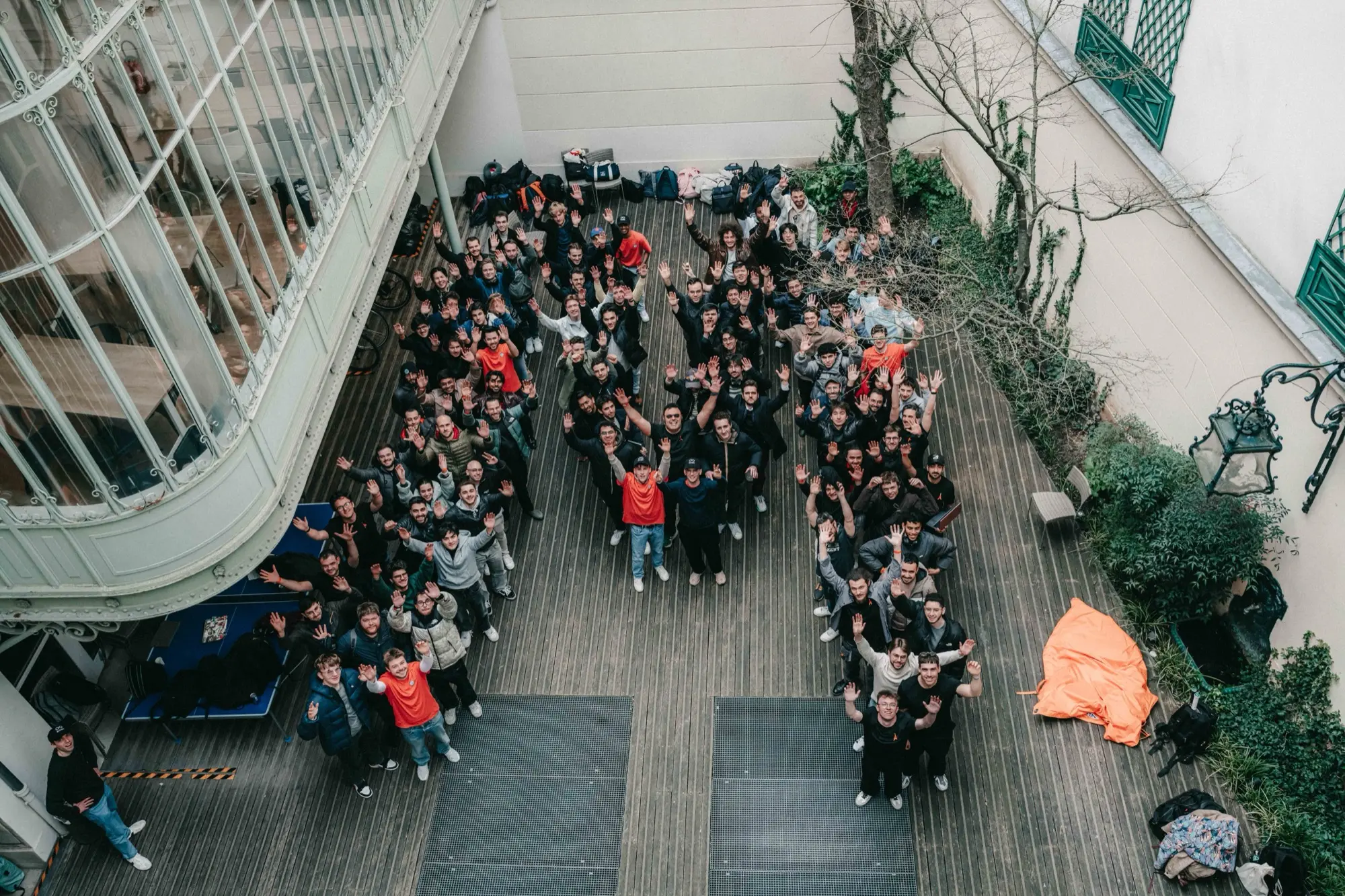
Eight years of hackathons
I've been participating in hackathons since 2018.
I started in 2018 with the Nuit de l'Info. It brings together thousands of students at sites across France to develop an application overnight. Held every year on the night between the first Thursday and Friday of December, it attracted more than 4,000 students in 2018.
At the time, I was a student, and I knew nothing about web development. One of the associations on my campus organized a course before the hackathon. They taught us the basics of HTML and CSS, along with just enough Git to work as a team. That was it.
The theme was "Digital support for an explorer in extreme conditions". My team built a dashboard for a mission to explore Mars. It displayed an interactive 3D model of the Martian base in the browser. When users clicked a building, the view zoomed in and displayed its status. I felt like a child, amazed by everything I saw. I will never forget that feeling the first time I saw it working.
Honestly, I didn't do much during the hackathon. However, it was a revelation for me. At that moment, I realized that I wanted to create on the web. I fell in love with the idea of having a blank canvas and the ability to create anything I wanted on it. I was hooked.
Then, I took part in the 2019, 2020, and 2021 editions, with a different team each time. At first, I learned from the people around me. Later, I was the one helping teammates get started.
All of this happened before tools like ChatGPT could generate and explain code on demand.
In 2026, I took part in two Mistral hackathons.
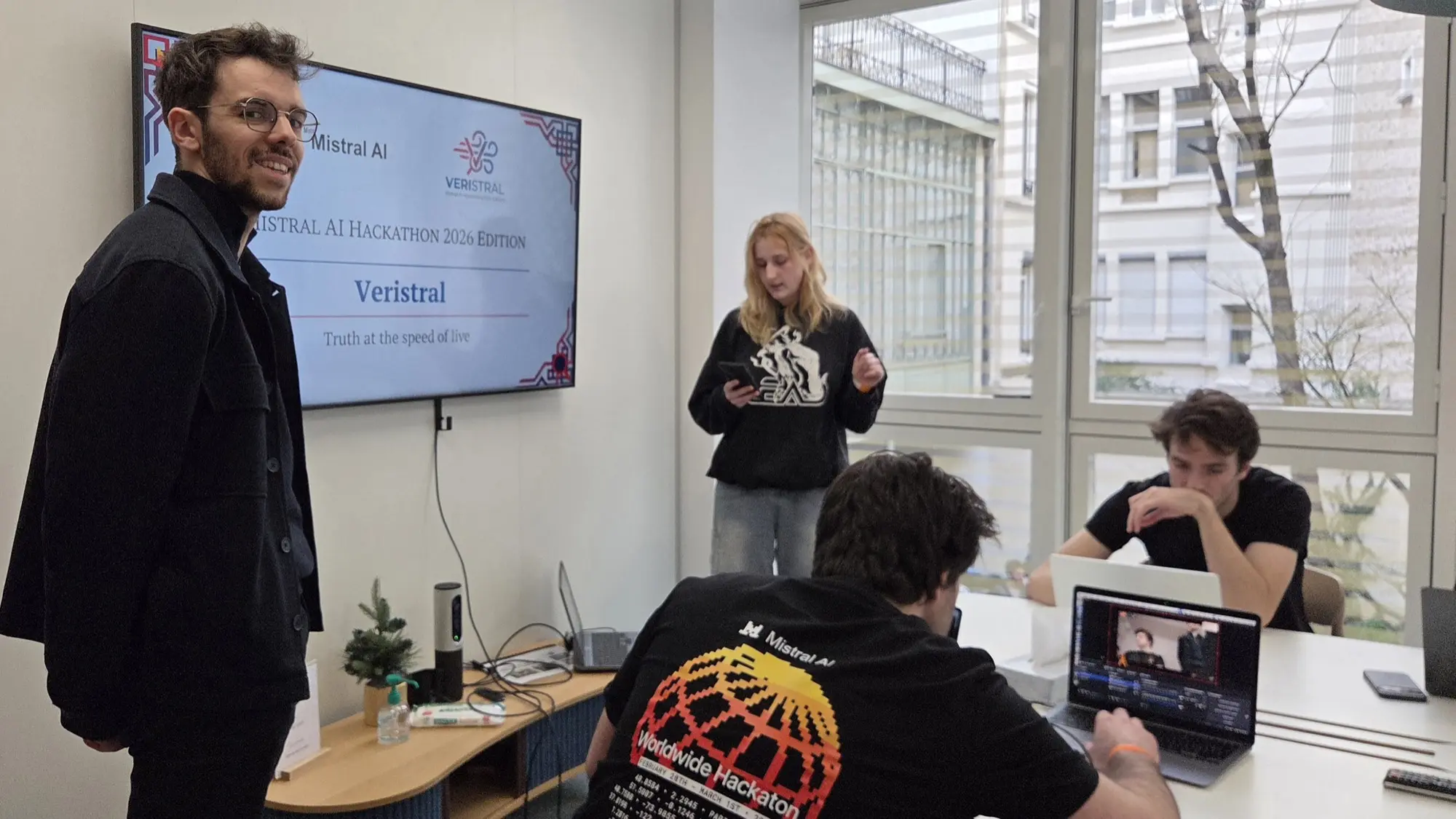
The first was the Mistral Worldwide Hackathon in February. It took place in seven cities around the world: Paris, London, New York, San Francisco, Singapore, Sydney, and Tokyo. Each location hosted 100 participants for two days, with everyone competing on the same theme. My teammate and I won the Paris event. If you want to learn more about it, I wrote a blog post: From Idea to Victory: the 2026 Mistral AI Paris Hackathon.
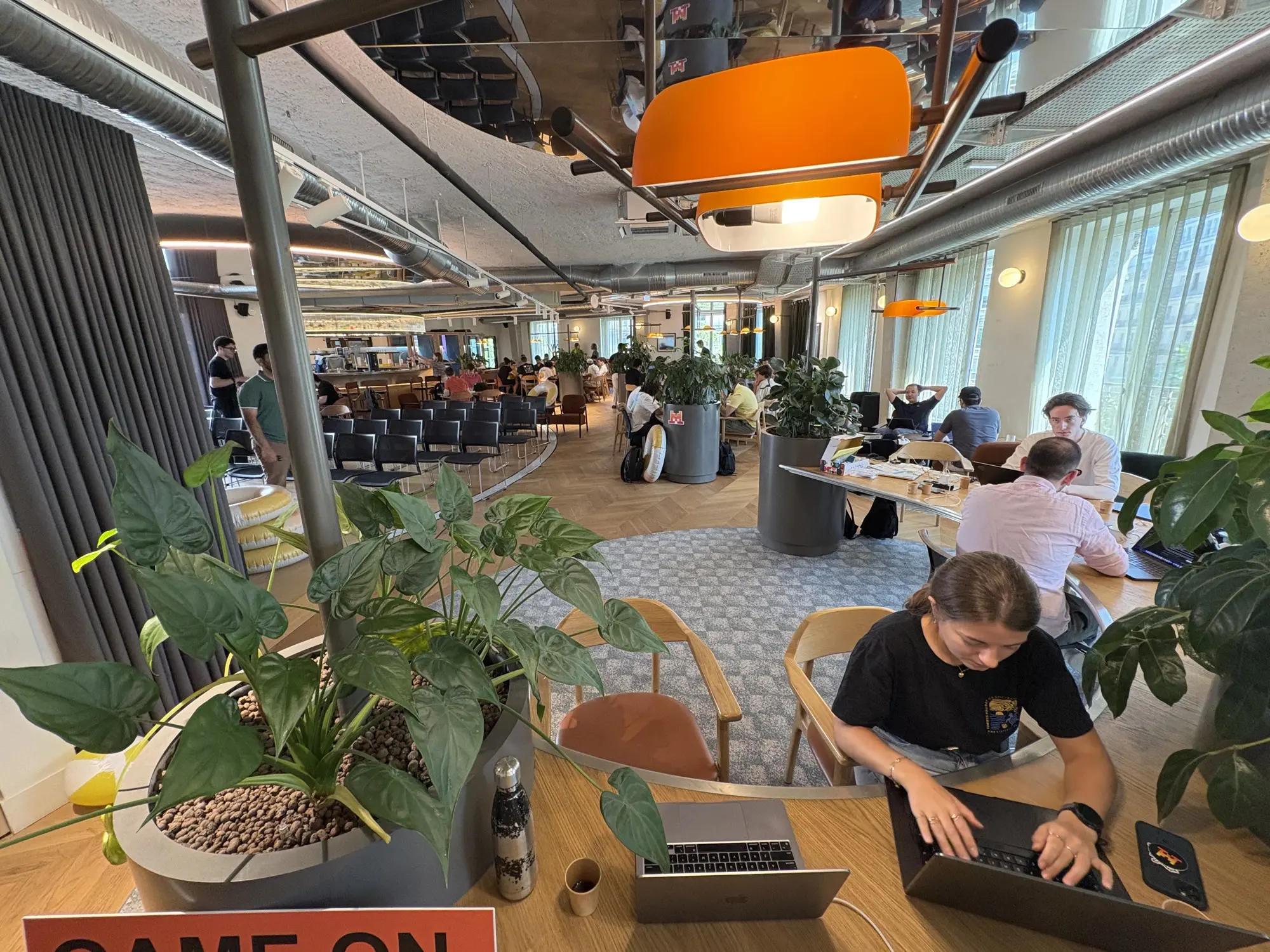
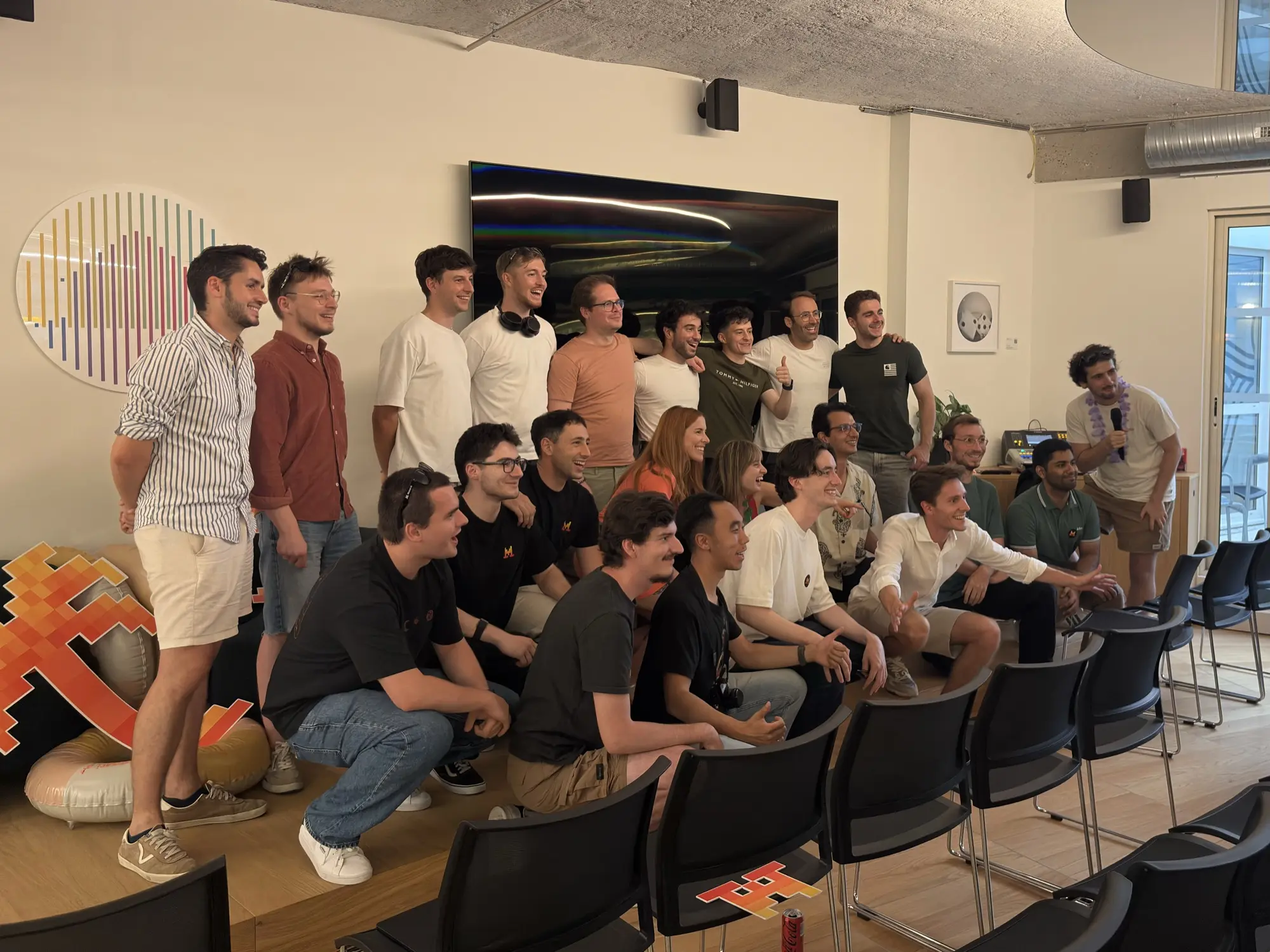
The second was the Mistral Vibe Hackathon in July. Mistral organized it around Vibe, the name of both its chat and its AI coding assistant. The hackathon had two tracks. Participants could either build something with the chat or contribute new capabilities to the public source code behind its command-line application.
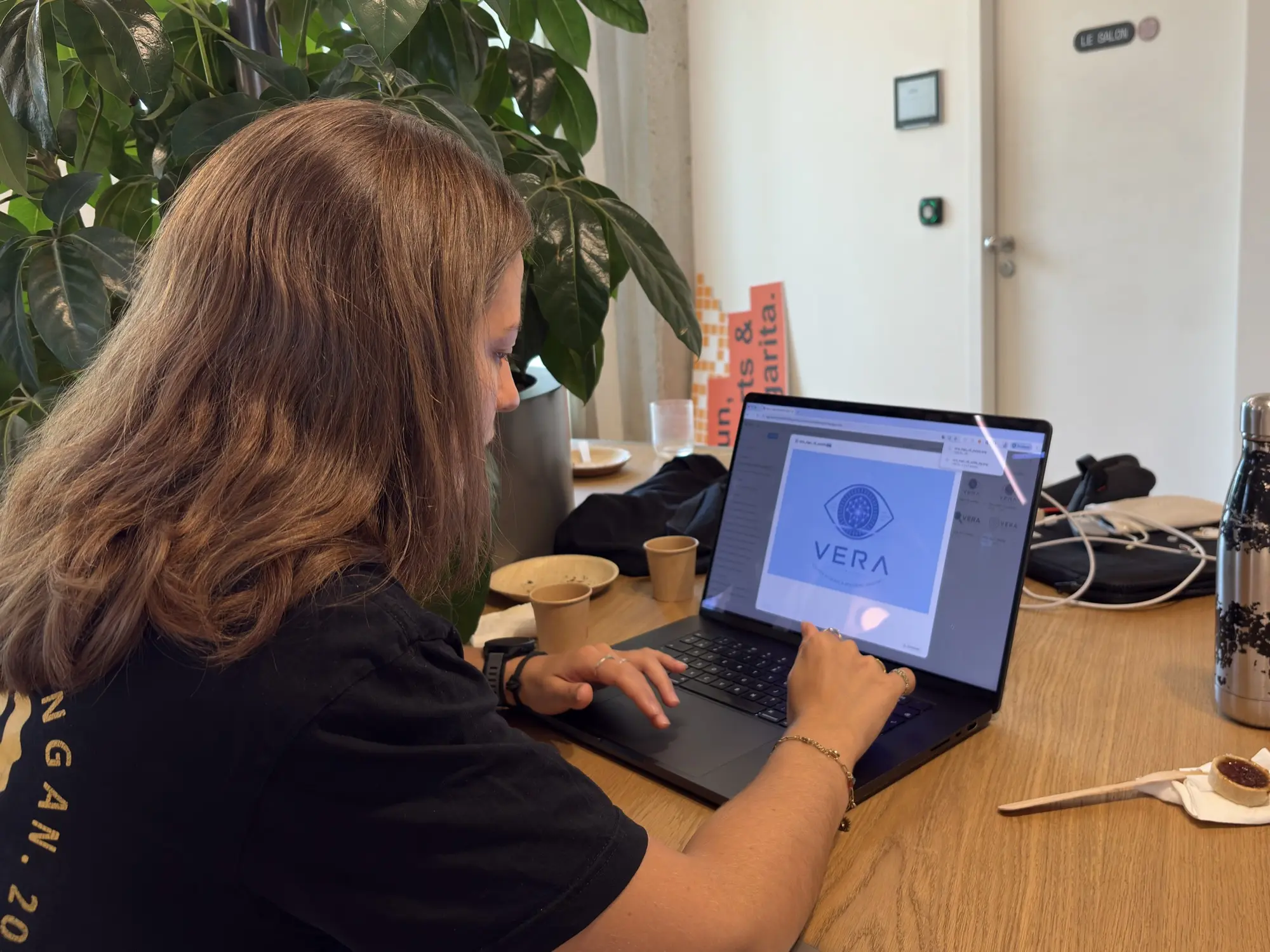
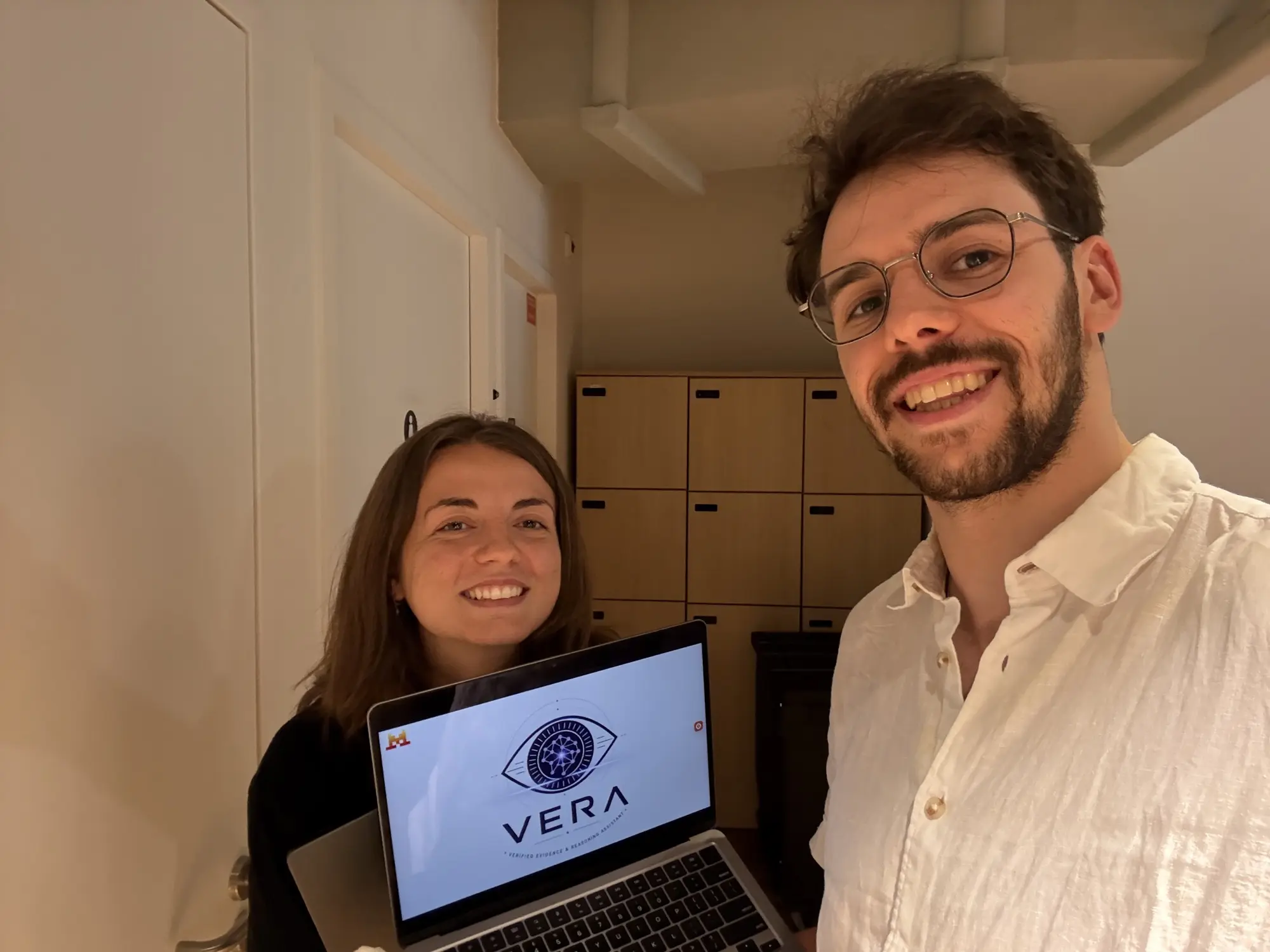
I took part in the first track with my teammate Marion. We wanted to help readers evaluate potentially misleading political posts on social media. Publishing a false claim takes seconds, but checking and correcting it can take much longer. Our tool examined a post's sources, traced the history of its claims, checked factual consistency, and analyzed its language. It was fun to discover Mistral Vibe and work with Marion. We learned a lot in only eight hours.
Hackathons are now for everyone
I shared this history because the hackathons I attended in 2026 felt very different from those I knew in 2018. My first team had 10 people, mainly web enthusiasts. After working together overnight, we delivered our project without preparing a pitch or slides for a jury. At the Mistral events, teams had one to four people. In as little as eight hours, they delivered a working product, a pitch, slides, and a live demo.
That contrast is striking. The events I knew were mostly made for developers. The ones I attended in 2026 welcomed a wider range of people who wanted to build something. For many participants, the first question is becoming less about technical expertise and more about whether they want to try.
You can be a designer, a product manager, a student, or someone writing a thesis, whether or not you work in tech. What matters is the desire to turn an idea into something real and learn along the way. Some hackathons remain highly technical, but others are reaching a broader audience. They may last anywhere from a few hours to two days, yet participants can still build impressive projects.
AI plays a growing role in making this possible. Participants can ask an AI coding assistant to create a first version, explain unfamiliar code, or help fix a problem. During hackathons, you go even further, you vibe code.
That is a huge shift. You no longer need to be a developer to start building software, and hackathons make that change easy to see.
Easier access to code does not make software development expertise irrelevant. Building a prototype is one thing. Creating software that remains reliable, secure, and useful over time is another. Still, the developer's job is changing quickly. We have to keep learning and adapting, which can be exciting and unsettling at the same time.
I recently gave a talk about agency, which I define as the power to act. Agency helps you start before you have every answer, learn what a project requires, and adjust when your first approach fails. That matters when the tools and skills around us keep changing.
Hackathons are a great way to develop this skill. They give you a deadline, people to learn from, and permission to experiment, fail, and try again.
You arrive with an idea. A few hours later, you leave having built something, even if it is imperfect. To me, that is agency in practice.
Thank you, Marion, for taking part in the Mistral Vibe Hackathon!

Thanks for reading! My name is Estéban, and I love to write about web development and the human journey around it.
I've been coding for several years now, and I'm still learning new things every day. I enjoy sharing my knowledge with others, as I would have appreciated having access to such clear and complete resources when I first started learning programming.
If you have any questions or want to chat, feel free to comment below or reach out to me on Bluesky, X, and LinkedIn.
I hope you enjoyed this article and learned something new. Please consider sharing it with your friends or on social media, and feel free to leave a comment or a reaction below, it would mean a lot to me! If you'd like to support my work, you can sponsor me on GitHub!
Discussions
Add a Comment
You need to be logged in to access this feature.