The Unexpected Rollercoaster of Feelings at MiXiT 2026
This was my second time at MiXiT. The first time was a year ago, but it feels like it was yesterday.
MiXiT is a tech conference that took place in Lyon over two days, centered around technology, ethics, and diversity. Compared with last year, the conference was just as warm and welcoming, with more than 600 attendees.
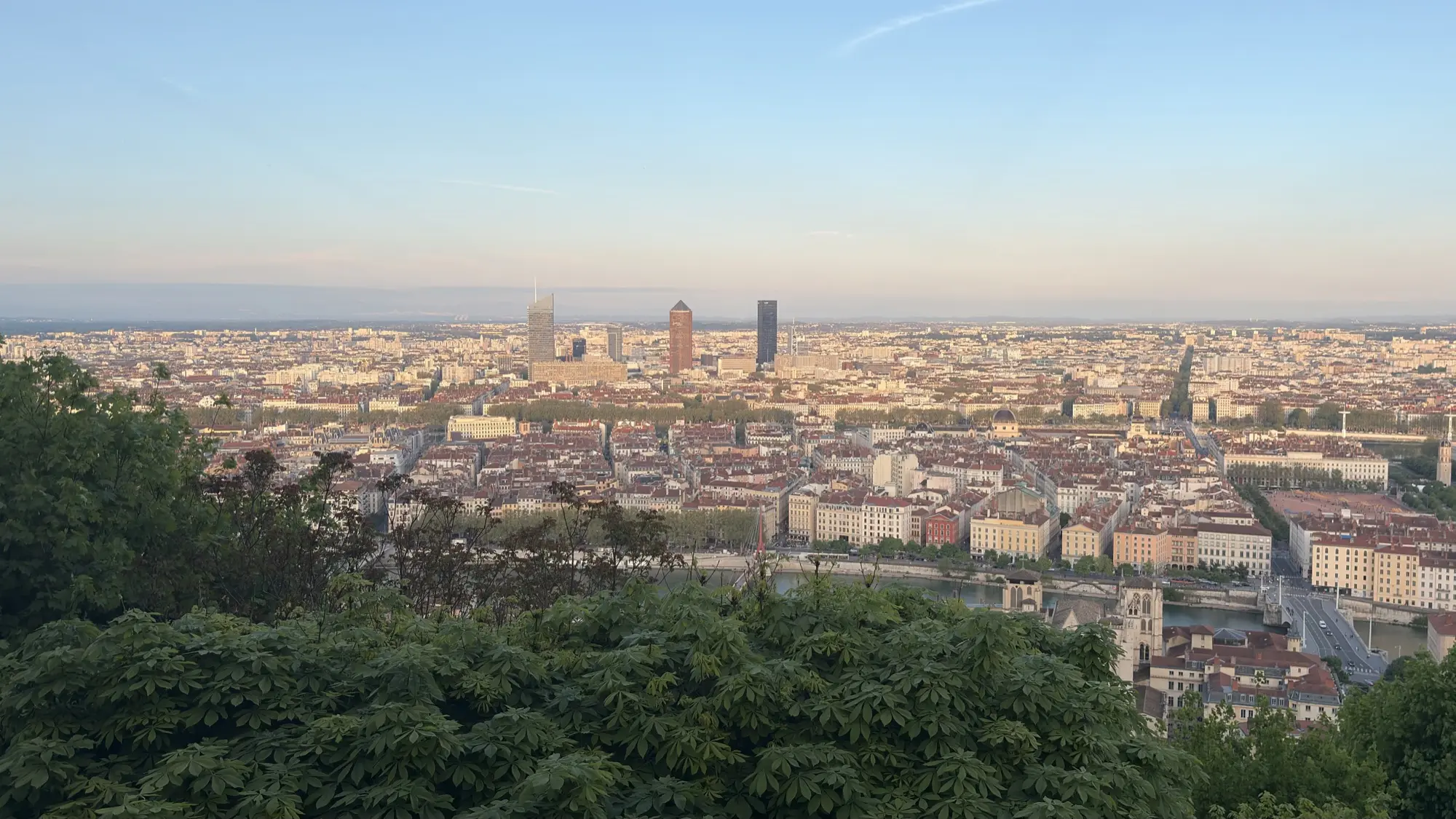
However, this time was different. The context was different.
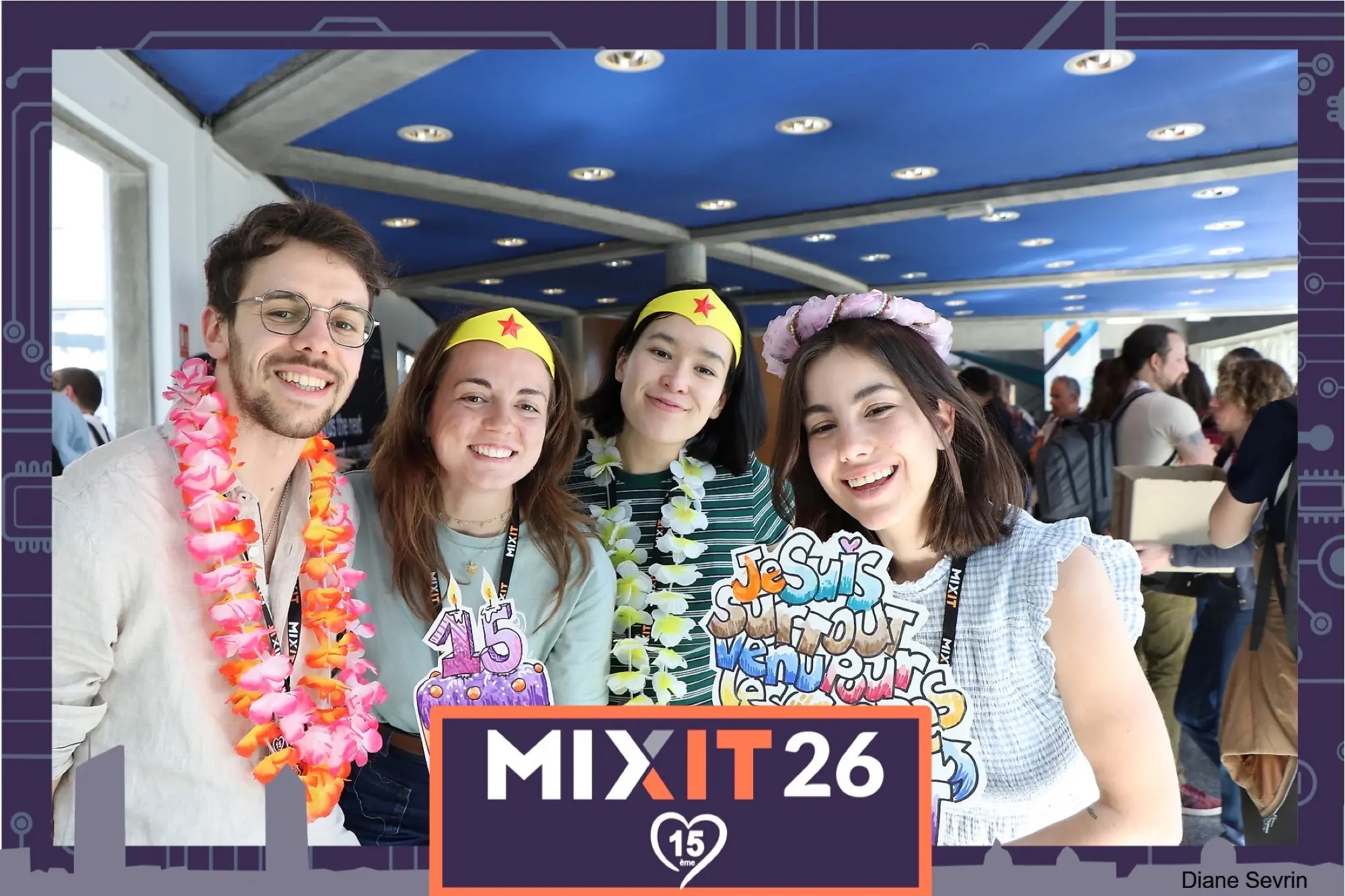
For the first time, I was going to attend a conference with other people, not just anyone, but some wonderful people from Takima, the company I work for. I was going to attend the conference with Marion, Elise, and Victoire.
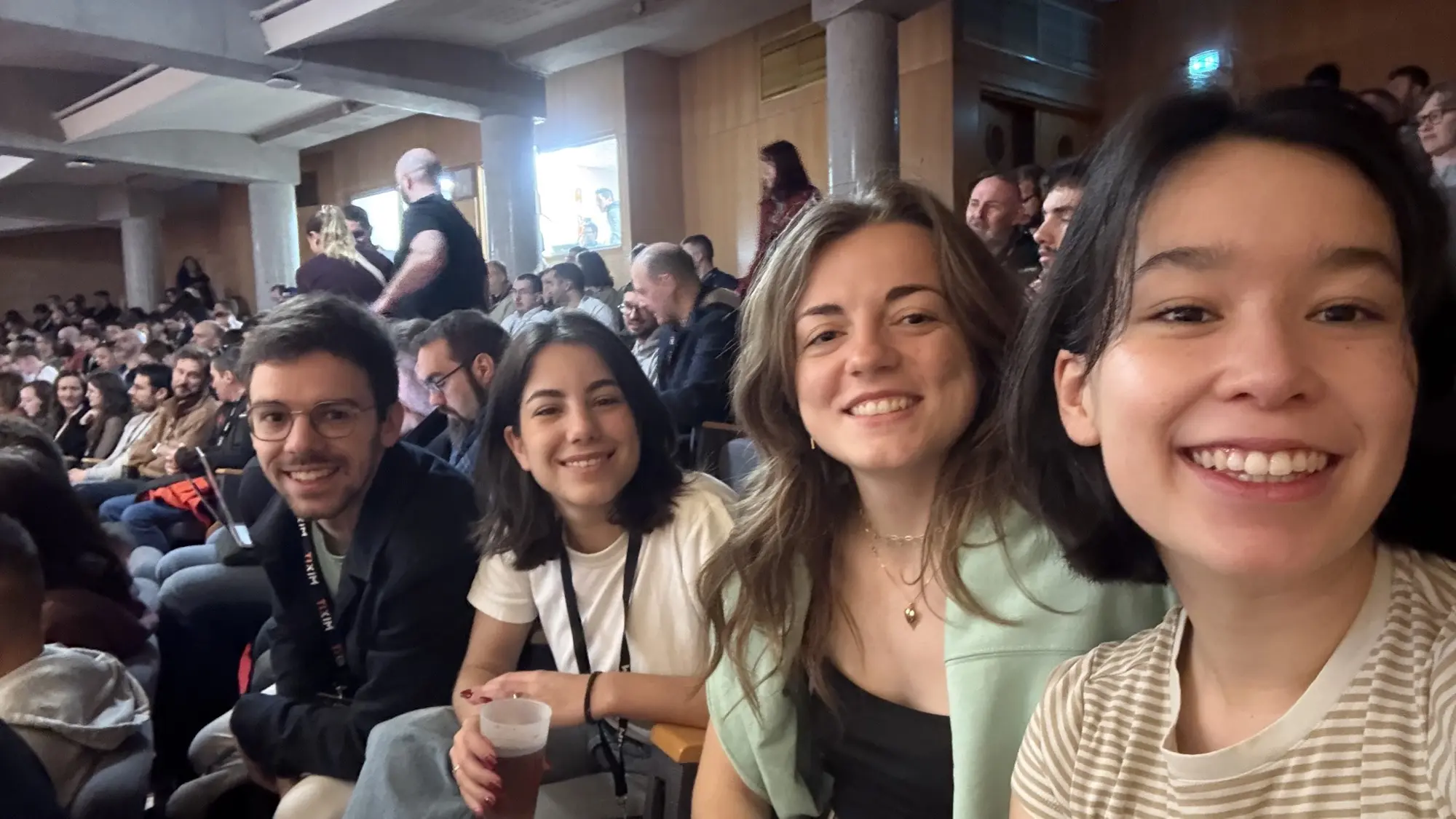
They were both accepted to speak at MiXiT for the first time on stage. Marion and Elise were going to present together on feature flags in production-critical environments. Victoire was going to talk about mutation testing. They truly deserve it. They put so much work, passion, and love into their talks. Congrats, girls!
For a first conference, they really chose a good one to speak at. Attendees are really nice and understanding, and the organizers are supportive and kind. MiXiT is definitely a good place to start a speaker's journey.
But at the same time, we should have been five speakers, not four.
Since November, I had been preparing a talk about the future of developers with a friend called Julie. Until now, I had mainly given talks about technical topics. This one was going to be different. First, it was going to be a non-technical talk, written using scientific articles, research, blog posts, books, and interviews with other developers. Second, it was going to be a duo, from the writing all the way to the presentation.
Julie was really enthusiastic, yet worried, about it, since it was also her first time giving a talk. Unfortunately, for personal reasons, she had to stop working on the talk a couple of days before the conference, and she couldn't join me at MiXiT. I know she tries so hard to make it work. Another time for a duo talk.
I felt terrible for her. I was this close to canceling the talk, but we were committed to the organizers. I didn't want to let them down. They gave us their trust, and we had to honor it. So, I kept pushing myself to finish the talk until the last minute. To be totally transparent, the week before the conference might have been one of the worst weeks of my life. The conference about Vite was nearly finished, but not quite, the one about the future of developers was less than half done, and Julie was not able to join me. Worst feeling.
MiXiT 2026
It all began on Wednesday, April 15, 2026, with the speakers' dinner, held in a chic restaurant near the Saône River. They served cheese, charcuterie, and wine. Honestly, the perfect combination for a great evening. It was also a good opportunity to meet other speakers and to chat about our talks. I love these moments when people try to sell you on their talk. All in all, it's really enjoyable to hear someone talk about their passion. And it helped me plan the next two days!
As with all events, don't ask for photos! What happened at the speakers' dinner stays at the speakers' dinner. I could have spent too much time talking near the drinks.
Around 22:00, we left the restaurant and went to the hotel to rest for the next day. I was really tired, but I had a conference to finish. I worked until 1:30 in the morning trying to finish the talk about the future of developers, and I wrote the LinkedIn post for the next morning.
7 o'clock, time to wake up, continue working on the talk, and get ready for the conference. Not a lot of sleep, but I didn't really have a choice. On the first day, Thursday, April 16, 2026, I saw the following talks:
- L'intelligence artificielle générale n'aura pas lieu by Thibault Prévost
- Au cœur d'une pipeline : démystifions Vite et ses plugins by Estéban Soubiran
- Le mythe de la portabilité cloud avec Kubernetes by Federico Fregosi
- Déconstruisons les frameworks JS pour mieux réinventer le web ! by Nirina Rabeson
- Mes trains Jouef passent au numérique, avec TinyGo by Florian Forestier
- Assistant IA pour le code : comment ça marche ? J'en ai codé un ! by Xavier Nopre
- L'indépendance des médias... indés by David Dufresne
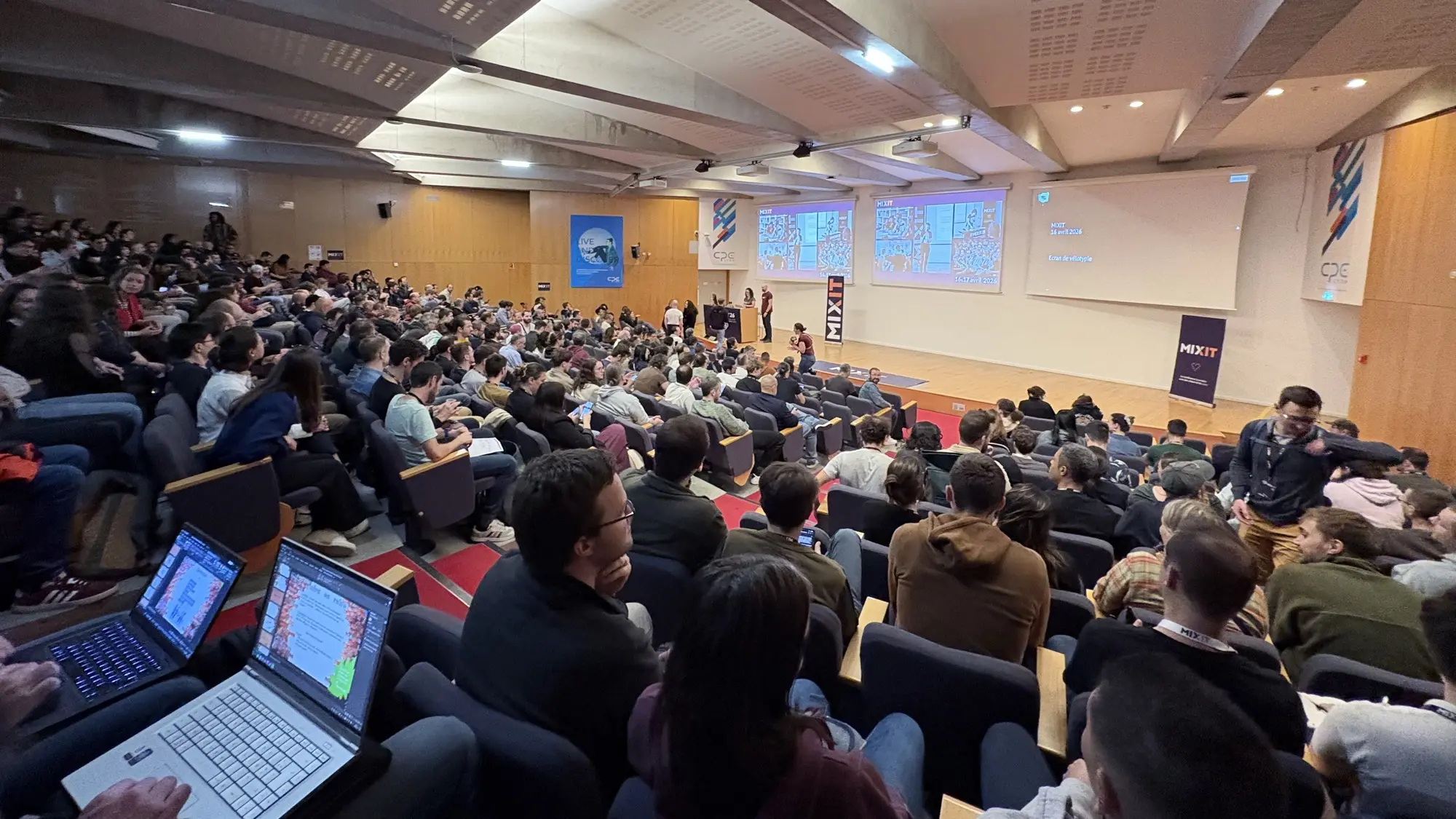
Yes, I was the first talk, right after the opening keynote. No time to rest, just plug in the computer, open the slides, jump on stage, and start talking. Thanks to the adrenaline, tiredness was not really a problem during the talk. Afterwards, however, it was really hard and intense.
After the first conference day, MiXiT organized a party at Lyon City Hall. It's a really beautiful place and a unique opportunity to visit it while enjoying some drinks and taking some time to chat with other attendees. Finding time to talk with people is really hard during a conference, so these moments are precious. After a long day and a long party, we went back to the hotel. I wanted to rest, but I had to finish a talk, yes, again. Sleeping at a conference? I should definitely try it! Looks cool!
The next day, same wake-up time: 7 o'clock. At this stage, we don't really talk about tiredness anymore. I was completely exhausted, and even though I worked hard on the talk, it was not finished by the time we left the hotel. I had to finish it during the opening keynote and the first talk. On the second day, Friday, April 17, 2026, I attended the following talks:
- Wikipédia à 25 ans : De l'utopie numérique au pilier du savoir commun by Rémy Gerbet
- Conception de logiciels : le match humains vs AI by Olivier Azeau
- Le futur du développeur : IA, compétences et obsolescence by Julie Mouveroux and Estéban Soubiran
- Déployer souvent, stresser moins : feature flags en prod critique by Marion Chineaud and Elise Souvannavong
- Pas de managers, pas de réunions, pas de problème by Sofia Lescano Carroll
For my talk, some slides weren't finished, and speaker notes were not written. I never use speaker notes, but I had to for this talk because it was going to be completely improvised. Not my best skill, but I had no choice. Let's make my last thirty talks useful for this one! You may wonder whether I was stressed. I wasn't. Tired, of course, but not stressed. Stress wasn't going to help me or make my talk better, so I just accepted the situation, being behind schedule, and did my best to honor Julie's work on the talk and the trust of the organizers.
At the same time, Victoire was presenting her talk about mutation testing. I couldn't attend it, but I know it went really well.
Then, we all attended to Marion and Elise's talk about feature flags. It was really good, and the audience was really into it. I was so proud of them, and I know they were so proud of themselves. They really deserved it. For a first talk, I'm speechless.
At the end of the second day, the talks were done and the attendees were happy to have seen both of my talks. Of course, it was a lot of work, but it wouldn't have been possible without the support of Marion, Elise, and Victoire.
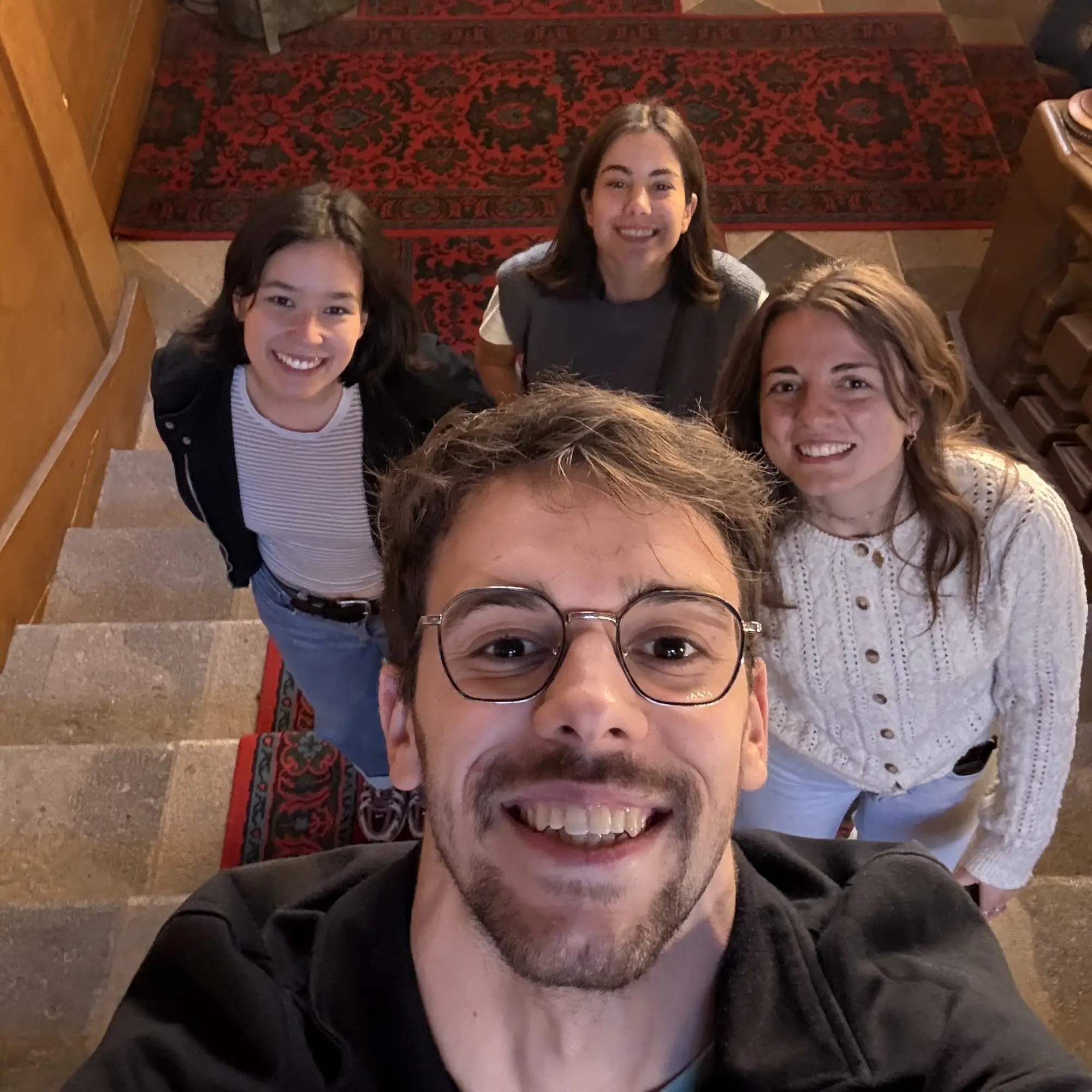
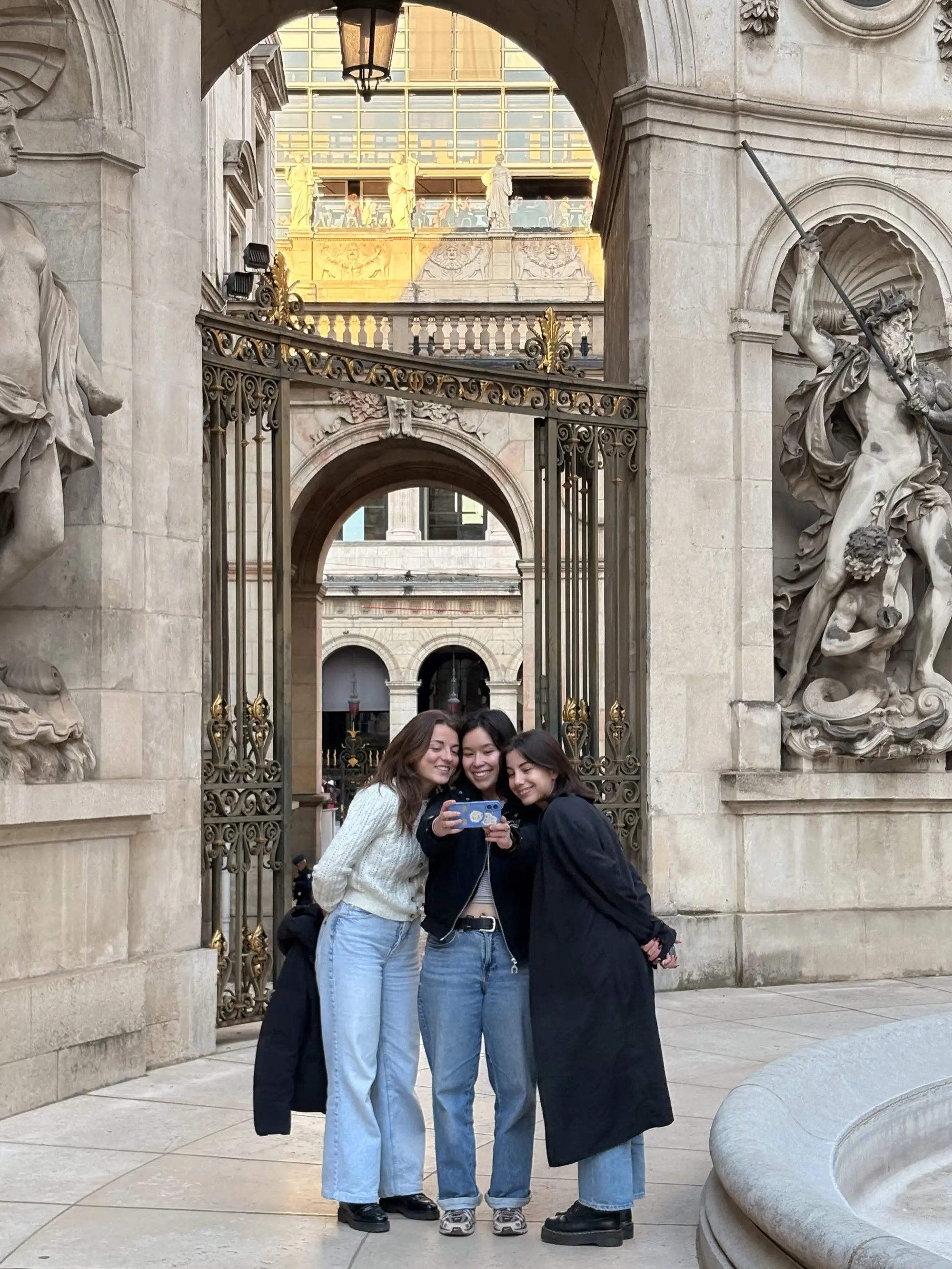
It changed everything not to be alone. It was so much fun to share this experience, exchange about the talks, chat about our feelings, and simply support and empower each other. Thank you so much!
Talks highlights
The more conferences I attend, the higher the bar gets for my "talks highlights." I want to share the talks that I really enjoyed and that I think are worth sharing. As always, this is a subjective list, and I encourage you to check the conference program to discover other talks that might interest you.
Déployer souvent, stresser moins : feature flags en prod critique by Marion Chineaud and Elise Souvannavong
You may think that I'm a little biased for putting this talk in the first place, but it was the first time I saw it, and I was really impressed. The talk is very complete, covering different types of feature flags, from implementation to usage and use cases. It was well structured, with a good pace and funny jokes when needed. You can feel the chemistry between Marion and Elise, as well as the passion they have for the topic.
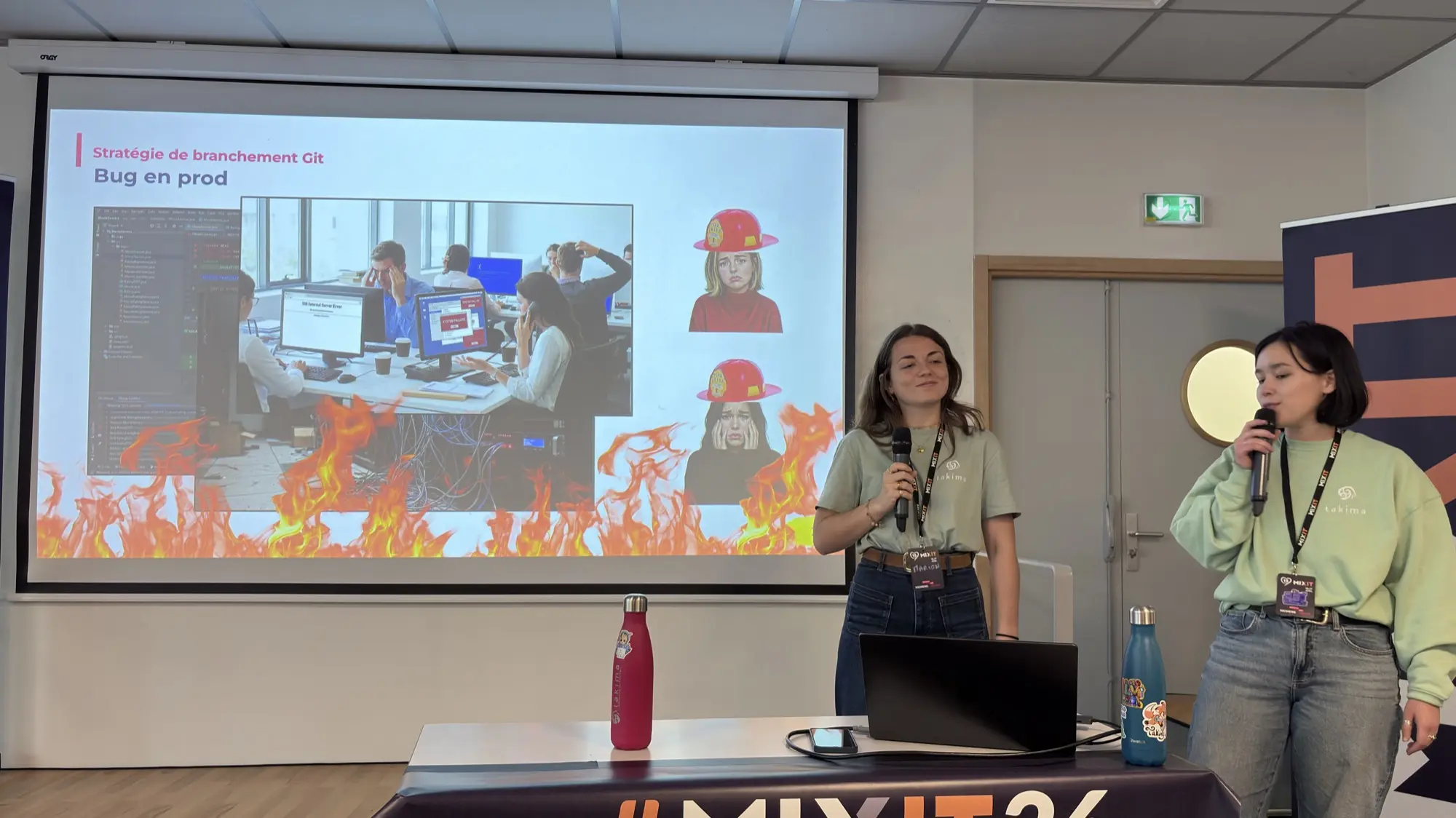
Photo of Marion and Elise presenting Mes trains Jouef passent au numérique, avec TinyGo by Florian Forestier
Not a technical talk, but a true, human-centered, and passionate one. Florian shared his passion for model trains and how he managed to make them digital and web-controllable, compared with the old analog ones. Beyond the story, the real-world use case of Raspberry Pi with good developer-experience software, TinyGo, was really interesting. I don't know how to make it actionable today, but I know that the day I need it, I'll remember this talk. Listening to passionate people talk about their passion is so pleasant and inspiring.
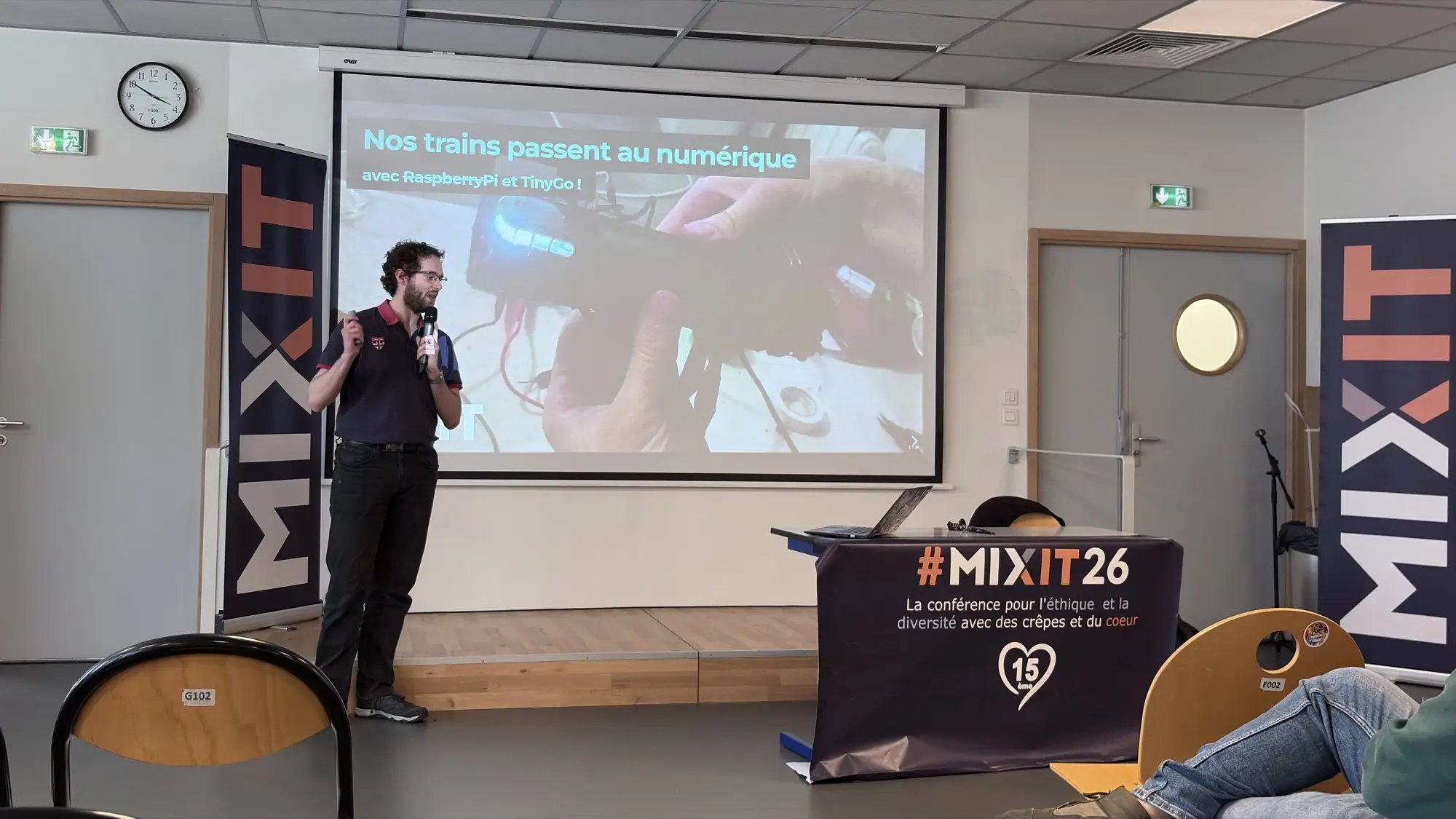
Photo of Florian presenting
I would love to attend Victoire's talk, "Testez vos tests avant qu'ils ne vous trahissent : le mutation testing !" Unfortunately, it was at the same time as mine. I really hope to be able to attend it at another conference. She worked so hard on it, and I know it's going to be amazing! Can't wait to see it at DevLille in June!
Vite, future of web developers and a podcast
This year, I had the opportunity to give two talks at MiXiT. Last year, I also gave two talks, but one of them was a launch talk about a very light topic. This year, I had two 45-minute conference talks about very technical topics. It was a real challenge for me, especially with the context of the second talk. I don't recommend building two talks at the same time. It's way too much work.
"Au cœur d'une pipeline : démystifions Vite et ses plugins"
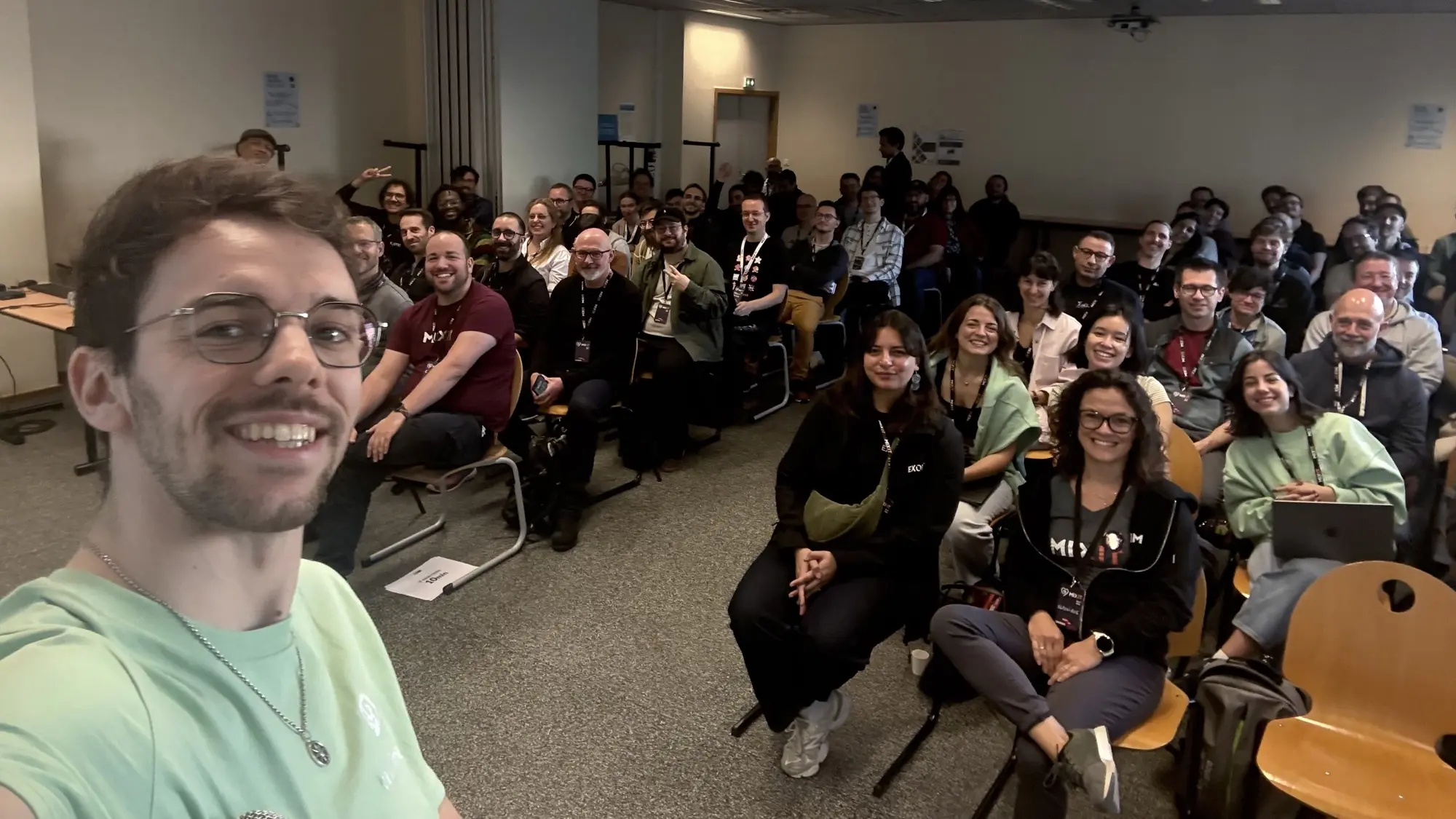
This has been the biggest technical talk I have ever given. It's 70 slides with a lot of dynamic content. Its particularity is that the audience is the hero of the talk. People affect the talk by choosing options during it, making each replay different. As you may guess, that means writing multiple paths into the slides and much more content than a normal talk.
I also had to develop all the underlying systems to make it work. Even though it was based on Inalia, the SaaS I'm building to make talks more engaging with real-time interactions, I had to develop a lot of new frontend logic to make it fit the talk's needs.
I wrote all my talks using Slidev, a tool that allows you to write your slides in Markdown. The interesting thing about Slidev is that the talk is a Vite and Vue website. So, by using it, you have all the power of Vite and Vue to create your slides. You can create any interactive slide, with any animation, and I took advantage of that to create a really dynamic talk. Good idea, but time consuming! Fortunately, I had the help of AI to develop most of the logic.
Thankfully, I had the opportunity to give this talk at an internal event at L'Atelier in Paris, two weeks before the conference. I also had the chance to give it as a crash test at Takima in front of many of my colleagues. They gave me invaluable feedback to improve it and make it better. And I know it's better now. Thanks to everyone who takes the time to give me feedback on it!
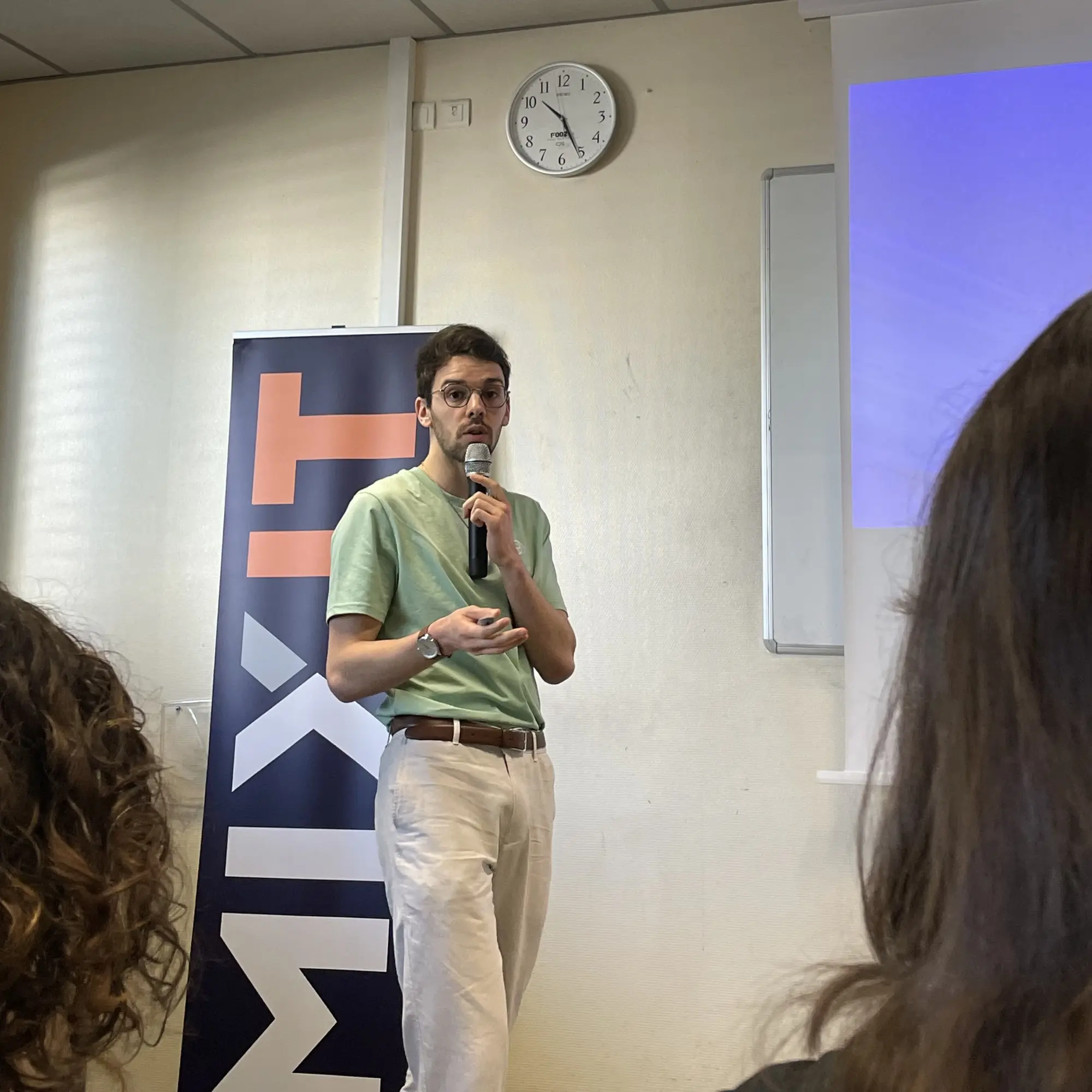
However, I'm far from satisfied with it. I know it could be so much better, even after working on it for months, so I will keep working on it. Let's make it better for DevLille in June!
I will dedicate a full blog post to the making of this talk, with all the technical details and the challenges I faced. There's a lot of hidden work behind it and people asked me a lot of questions!
"Le futur du développeur : IA, compétences et obsolescence"
The story of this talk starts in November 2025. After going to the theater with Julie, we sat down at a bar to chat about a lot of things. At some point, I asked her whether she would be interested in creating a talk together. I asked her not to reply immediately, but to think about it and let me know if she was interested. I hate social pressure, and I don't want a "yes" just because of the moment. Creating a talk is so much work that I want to be sure the person is truly interested and motivated to do it.
She replied a couple of hours later, saying that she was interested. So happy to read that text message from her!
At this point in the story, you have to know that we didn't know the subject of the talk, Julie had never given a talk before, and I had never given a talk with someone else. To make things even more complicated, we weren't working in the same field and we had a month to submit it to a CFP. Gosh, what a crazy idea! Two rules: things often start at a bar, and you can just do things. You don't have to be ready.
After a couple of brainstorming sessions, we (mainly she) finally found the subject of the talk. We wanted to talk about the future of work from an AI perspective. Because the conferences we submit to are mostly technical, we targeted the future of developers. This also reduced the scope of the talk a little to make it "easier" to write.
Then, we started writing the CFP. To do that, we needed a plan for the talk. That meant doing initial research to better understand the trends, the reality, and the direction things were heading. That was not an easy part, but we made it. A couple of days before Christmas, we submitted the CFP to MiXiT and Devoxx France.
Honestly, even if we were rejected by both, we tried hard to make it something we could be proud of.
Even before the acceptance, I started working on it because I knew it was going to be a lot of work. I started reading papers, articles, and books, and watching videos about the topic. That was complicated because you can search "future of developers" on Google. No one really took the time to write about it, and the few articles that exist are biased or not relevant. We had to read dozens of articles, extract the relevant information, and make sense of it around the plan we'd defined weeks ago. I spent a lot of Sunday mornings reading articles I would love to never read again because they were so traumatic. Good music is recommended to avoid falling into fear and despair.
We also interviewed developers from the industry to get their point of view on the topic. This was very useful to avoid staying in our bubble and to get a better understanding of the reality. We had really good conversations with them and learned a lot from them. Thank you so much to all the developers who took the time to talk with us!
This process was a real challenge, and I brought a lot of automation to make it work. I won't detail it here because I will dedicate a full blog post to the creation of this talk. This process took absolutely all our time. We regularly met to discuss the content, make sure we were continuously aligned, and simply work on it together. Honestly, we spend more time talking about our lives than about the talk. And that's okay. It's not our job after all.
Unfortunately, a couple of days before the conference, Julie had to stop working on the talk for personal reasons. I felt really bad for her, and I was really sad about it. I kept working on the talk until the last minute. During the last couple of days, I was waking up an hour earlier to work on it. I went to work, and after work, I kept working on it until midnight or 1:00 in the morning. Every day.
Then, I continued to work on it during the conference. The day before MiXiT started, less than 50% of the slides were finished. I kept working on them during the conference, before and after the speakers' dinner, after the mid-conference party, and until 10 minutes before the talk, I was still working on speaker notes.
Finally, my time to speak about the future of developers came. I was tired, not ready, and not even sure whether the talk was going to be good. But I was there, on stage, with some slides, 45 minutes ahead of me, and the trust of the organizers. The room was full, and despite a large "COMPLET" ("full" in English) sign on the door, people were still getting in, crowding together at the back of the room.
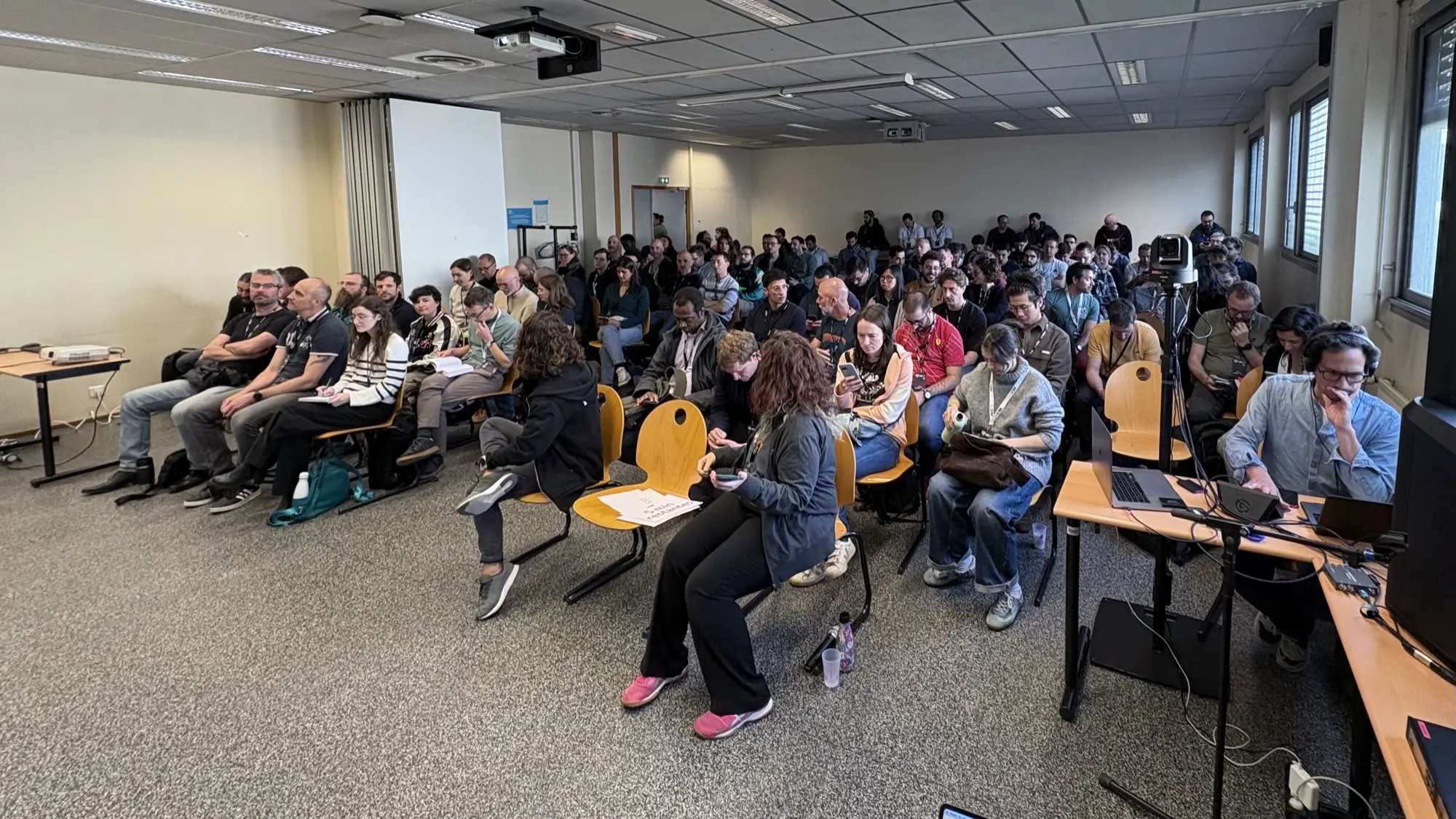
I delivered the talk. My biggest fear was rushing through the content by just reading the slides. The opposite happened. I was calm, and I had to speed up the second and third parts to avoid running out of time. And then the talk was over. Whoo, what a relief! During the talk, seeing people nodding or taking photos of the slides was so rewarding because it showed me that we were not completely off track with Julie. At the end, I got some questions, and afterward, many people came to thank me for the talk. "Finally a pragmatic talk without tons of bullshit," and amazing discussions about the topic that could have lasted for hours.
I highly recommend reading the article by Fanny Klauk, who attended the talk and wrote a magnificent article about it, with lots of insights and takeaways: Retour sur MiXiT 2026.
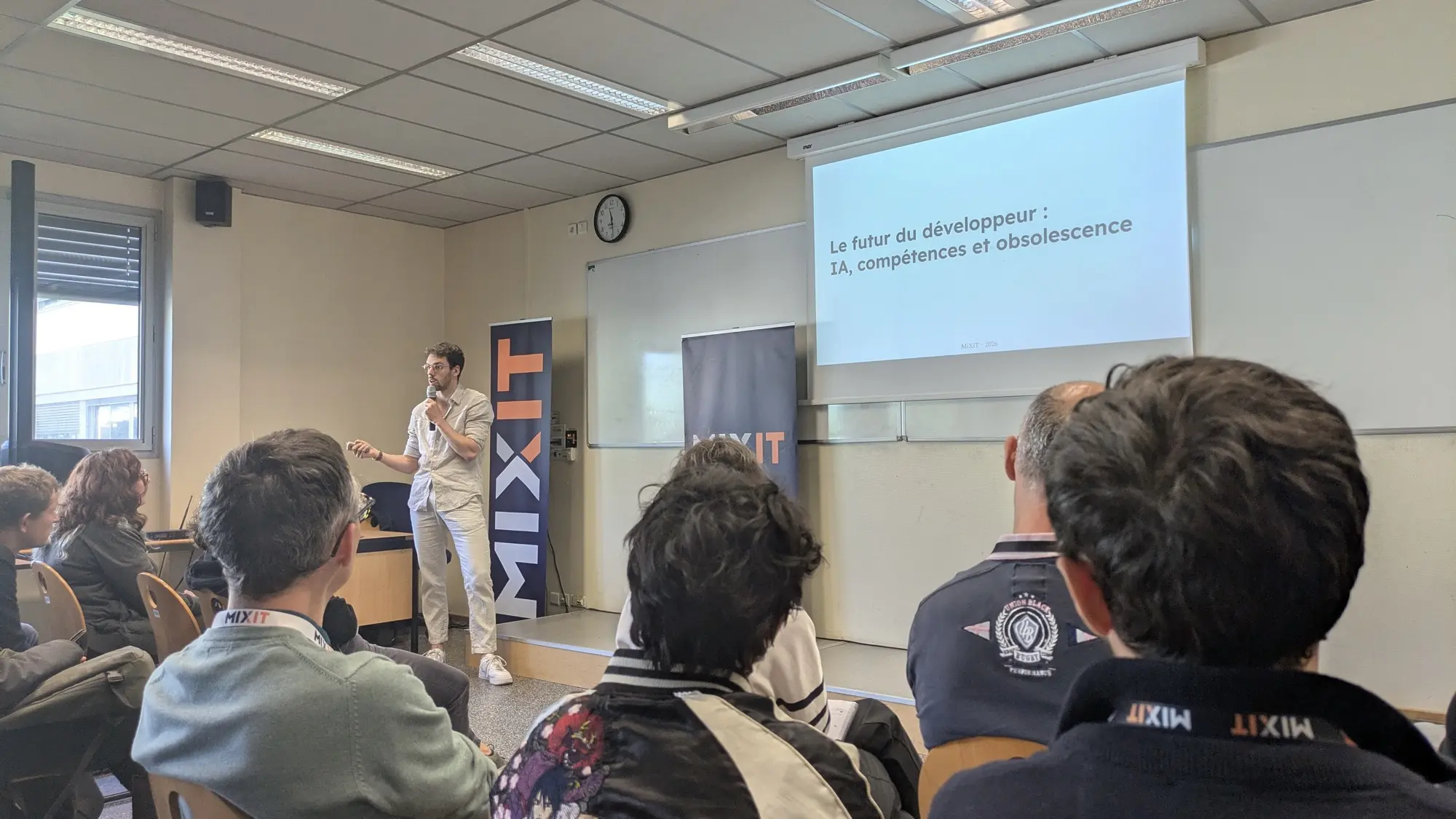
Just to give you an idea, the CFP took us somewhere between 30 and 50 hours, and the talk itself took more than 200 hours. Both were done in less than six months. That's a lot. So the next time you see a talk you appreciate, even if you don't have any questions, just say "thank you, great talk, loved it!" to the speaker. It means a lot to them.
This was, by far, the worst idea I had for a talk. Never repeat it. Please, be prepared before giving a talk.
But sometimes, unpredictable things happen. That was it, or I would have had to cancel my talk. However, canceling wasn't an option for me. The organizers gave us their trust, and we had to honor it. So, until the last minute, I kept pushing myself to finish the talk.
MiXiT On Air
Last year, I had the opportunity to be part of the MiXiT On Air podcast to talk about signals in JavaScript.
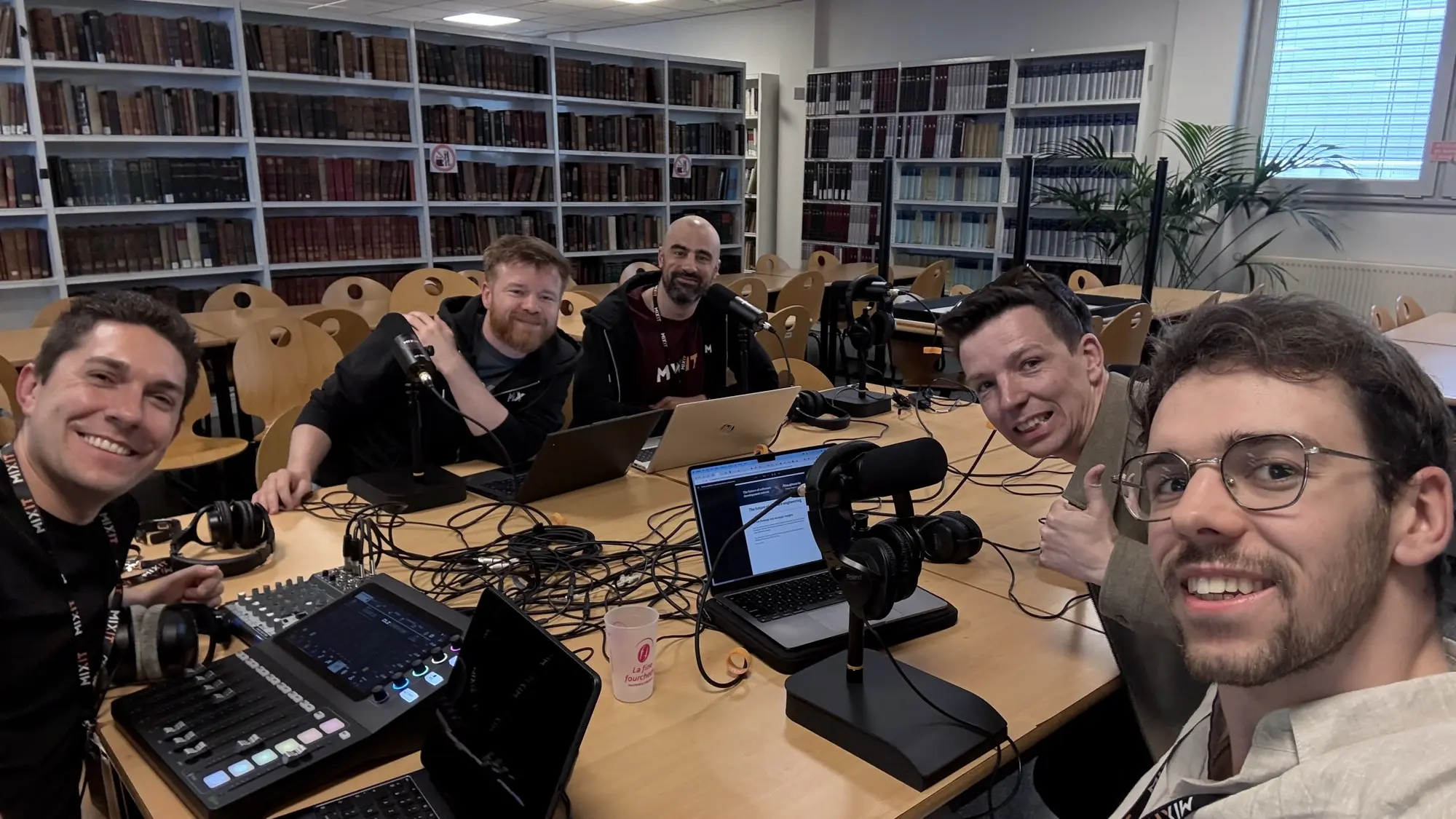
This year, they invited me again to talk about the future of developers. Recording a podcast is a very different experience because it really takes the form of a conversation. You have to be calm and express yourself clearly, with the most interesting and relevant content possible.
Thanks to the beautiful work of the MiXiT On Air team, everything ran smoothly. They even thought to keep a meal going, since the recording was during the lunch break. I really enjoyed the experience, especially the duo with Camille. I hope the episode will be released soon so that you can listen to it. I'll share it on my LinkedIn when it's out. I'm really thinking about starting my own podcast. Should I?
What's next
MiXiT 2026, that's a wrap! It was an amazing experience, with a lot of feelings and a lot of work. I really hope the attendees enjoyed it as much as I did. And slept more than I did!
As I'm writing this, Devoxx France is coming up in a week. I'll be presenting my talk, "Au cœur d'une pipeline : démystifions Vite et ses plugins." I'm really excited about it and curious to discover the other talks and meet people.
In June, I'm going to Lille for DevFest Lille with the same team, Victoire, Elise, and Marion. Laurine will also join us to talk about micro-frontend. It will be my first DevFest Lille, and I've heard great things about it, so I'm really looking forward to it. It's going to be fun!
Then, at the end of June, I'm going to Asynconf in Paris. Graven invited me to speak about frontend reactivity. This is a real honor for me, and famous speakers like Mathieu Nebra, co-founder of OpenClassrooms, will be there.
I'm also participating in Natural Change Leaders Days in June. It's an event organized by Olivier My and Albane Fagot-Veyron. It's not a technical conference, and for its first edition, it will be online. It's something new for me, but also really appealing and a little scary. I'll be talking about agency and the importance of staying in motion in a constantly changing world.
So yeah, upcoming schedule is packed!
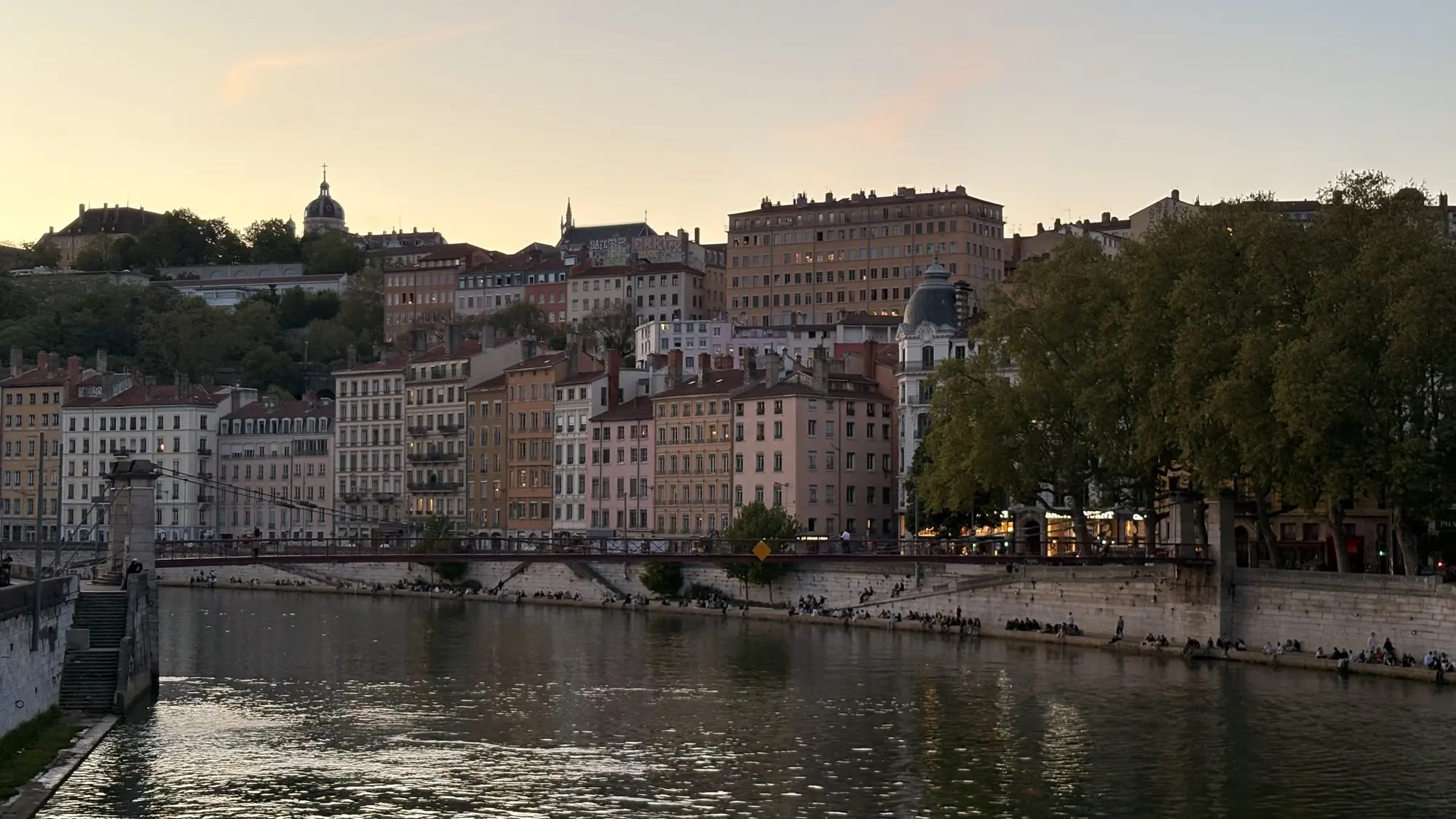
Julie, hope you're doing better now!

Thanks for reading! My name is Estéban, and I love to write about web development and the human journey around it.
I've been coding for several years now, and I'm still learning new things every day. I enjoy sharing my knowledge with others, as I would have appreciated having access to such clear and complete resources when I first started learning programming.
If you have any questions or want to chat, feel free to comment below or reach out to me on Bluesky, X, and LinkedIn.
I hope you enjoyed this article and learned something new. Please consider sharing it with your friends or on social media, and feel free to leave a comment or a reaction below, it would mean a lot to me! If you'd like to support my work, you can sponsor me on GitHub!
Discussions
Add a Comment
You need to be logged in to access this feature.